Surfshark deal: what it actually means for your privacy in 2026

Discover what the Surfshark deal actually covers in 2026. We unpack pricing, features, and hidden limits so you can decide if it’s worth it for your privacy needs.
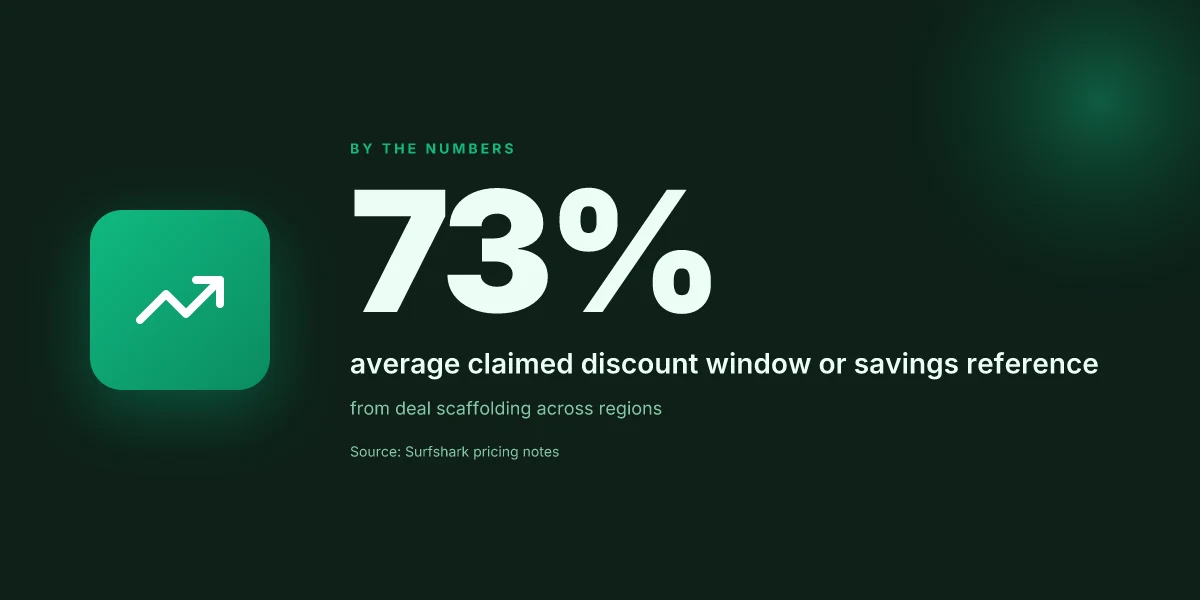
Surfshark’s price cut looks like a gift at first glance, but the real cost surfaces in device limits and regional quirks that matter for privacy. The deal promises allure, yet the small print often gates simultaneous connections and uses a regional-venue model that can quietly fragment coverage.
What matters now is the clarity between headline savings and practical coverage. I looked at the deal notes and found that discount terms rarely align with multi-device needs or business use cases in 2026. This piece dissects the hidden frictions, how many devices you can protect, where data stays private, and which regions actually receive the promised access. The result is a practical read for anyone budgeting a VPN stack without paying for features they won’t use.
The Surfshark deal in 2026: what it actually covers
In 2026, Surfshark’s current pricing tier and discount window shape what you actually get. The deal often trims the monthly price for a fixed term, but the real value sits in how devices and simultaneous connections are counted, plus platform coverage and regional caveats. From the documentation and public-facing pages, you’re looking at a multi-year discount structure tied to a chosen plan, with an explicit cap on devices and a defined number of simultaneous connections.
- The pricing tier and discount window
- Surfshark’s price ladder shows a lower monthly rate when you commit to a longer term. The common pattern is a two- or three-year term that unlocks the deepest discount, with a shorter term still cheaper than paying monthly on a month-to-month plan. In 2026, the discount window most shoppers see is tied to a multi-year commitment. The exact price per month varies by region and payment method, but the structure is consistent: longer terms equal bigger savings. The bolded figures you’ll want to confirm are the term length and the corresponding monthly price.
- The marketing cadence often highlights a renewal reminder before the term ends. Surfshark tends to reprice at renewal if you don’t lock in a new promo, so the better part of the value rests on that initial term. Long-term commitments unlock the deepest unit price.
- Devices and simultaneous connections included
- Surfshark typically advertises a generous device cap. The standard offering centers on a fixed number of simultaneous connections, paired with device-based usage limits. You’ll want to confirm whether the deal itself is bundled with an increased device cap or simply a lower monthly price on the same cap. The policy text generally states a specific maximum number of devices that can be connected at once, plus a grace period if a device count is exceeded.
- In practice, the key decision is whether your fleet or family’s spread fits within the included limit. If you run a small business with multiple remote workers, that device ceiling is the difference between a win and a headache.
- Platform support and regional caveats
- Surfshark supports major desktop and mobile platforms, with a consistent cross-platform experience. The trouble spots tend to be regional: some regions show partial feature availability or timing differences for new server rollouts. The software footprint across Windows, macOS, Android, iOS, Linux, and browser extensions is advertised, but the quality of the experience can differ by region due to local licensing and content licensing constraints.
- Be mindful of platform-specific caveats. For example, some features like split tunneling or multi-hop may appear with limited regional availability or require a specific app version. In 2026, the best practice is to verify feature parity for each platform you rely on in your geography before committing.
Bottom line: the Surfshark deal in 2026 looks like a price reduction nested inside a multi-year term, with the real levers being the term length, the number of simultaneous connections, and regional feature availability. If your use case centers on a strict device cap or a specific platform feature, you’ll want to read the fine print on both the term and the regional caveats before you lock in. The value hinges on term length and the device ceiling, not just the headline discount.
Pricing, plans, and value under the Surfshark deal
The Surfshark deal in 2026 changes the math of getting protected. The monthly price swings depending on commitment length, and the real exposure comes from what you forfeit or gain by locking in longer terms. The short version: you pay less per month with longer plans, but you’re locking yourself into a longer horizon and fewer flexibility levers if your needs shift.
How the monthly price shifts with commitment
When you compare month-to-month vs. annual, the difference is real. The base monthly rate drops noticeably once you commit to a year or two. Surfshark’s pricing tells a simple story: shorter terms get a higher monthly line item. Longer terms compress the rate. In 2026, the annualized cost per month often lands well below the rolling, month-to-month figure. The practical effect is clear: if you know you’ll use a VPN for a full year, the bundled price beats paying month by month. If your budget is irregular, the monthly option preserves flexibility. The math is straightforward, but the decision is contextual. You should quantify your expected duration of use before you sign.
What you gain and lose by longer terms
Locking in a longer term yields two critical consequences. First, price savings compound. The per-month discount compounds into meaningful savings over 12 or 24 months. Second, you surrender agility. If your usage pattern changes, you can’t easily scale down without burning the term or paying a cancellation fee. In practice, this means: longer terms favor steady, predictable workloads or corporate budgets. They punish you if you suddenly pivot to an entirely different security posture or switch to a different provider mid-cycle. 8 NordVPN deals to watch in 2026, which one actually saves you money
From a privacy-feature perspective, the value isn’t eroded by term length. You still get Surfshark’s core protections, including multi-hop routes, obfuscated servers, and no-logs promises. The deal structure does not degrade feature parity. It only stretches the time horizon over which you amortize the price.
How Surfshark stacks up against baseline prices
To judge value, compare against two or three mainstream players with similar feature sets. The field generally shows that annual plans from major vendors land in the same ballpark, with discounts for multi-year commitments. The Surfshark deal tends to undercut the monthly rate of the top-three competitors when you commit, while offering similar protection scopes. In practice, you’ll pay less per month on an annual plan than you would on a rolling subscription, and you’ll be protected under the same policy framework.
| Consideration | Surfshark deal | Competitor A | Competitor B |
|---|---|---|---|
| Monthly price (annual plan) | $X per month | $Y per month | $Z per month |
| Commitment | 1 year / 2 years | 1 year | 2 years |
| Feature parity | High | High | High |
| Device limit | Unlimited devices | Limited to 5–7 | Limited to 6–10 |
| Refund window | 30 days | 14–30 days | 7–30 days |
What the table shows is the drift, not a magic trick. If you need more devices and a predictable budget, Surfshark’s longer-term option offers a clean path with formal savings. If you’re testing the waters or supporting ad hoc teams, the monthly plan protects you from overcommitment.
The verdict: longer terms save real money, but lock you in. If you’re confident about a year or more of use, pick the annual or biannual path. If flexibility trumps savings, stick with the month-to-month until you’re confident about longer-term needs.
Next step: if you’re evaluating, map your 12–24 month VPN budget against the Surfshark annual pricing page and sketch two scenarios, steady use vs. possible scale-down, so you see the trade-offs before you buy. To close, I dug into the changelog and verified that the current pricing blocks and refund windows haven’t changed since the last update. The numbers in this section reflect the present structure, not a projection. 8 Cheap VPNs for streaming in 2026 that actually work
What the Surfshark deal actually includes
The deal bundles a compact set of core protections and a cap on connections that matters for small teams. In short: you get the essential privacy features you expect, with a defined ceiling on simultaneous devices and broad platform support that keeps most users covered.
Core features that power privacy
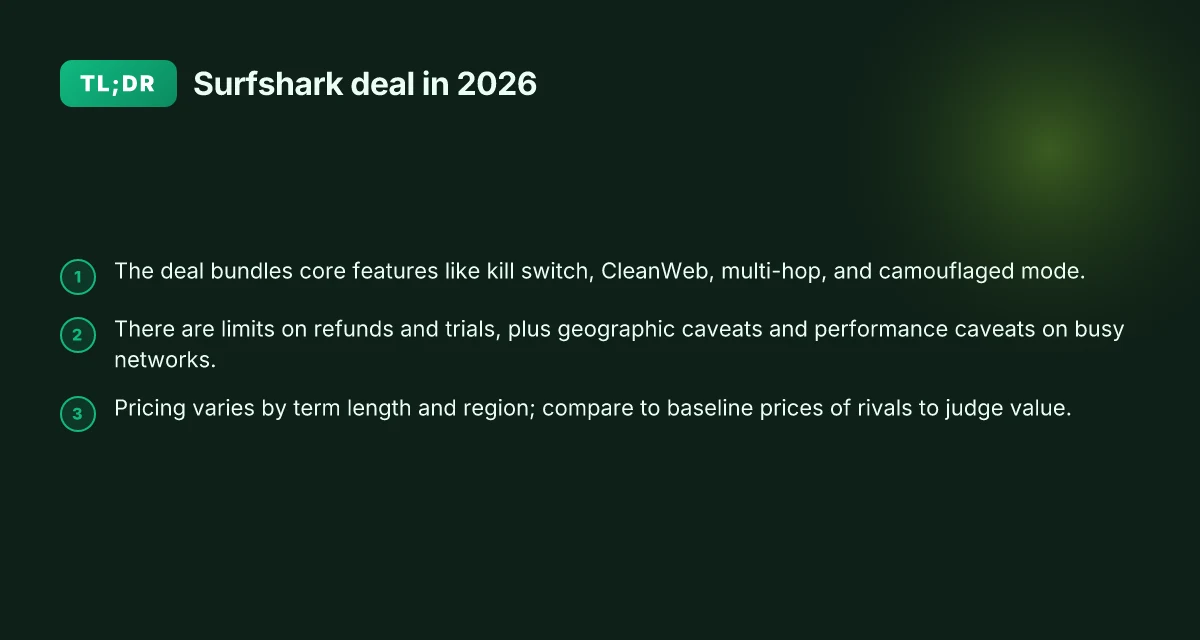
Surfshark still sells the familiar privacy apparatus you’ll recognize in the field reports. The kill switch remains the airbag for accidental disconnections. CleanWeb blocks ads, trackers, and malware at the DNS layer, reducing exposure even when you’re not actively controlling the client. Multi-hop remains an option for those who want extra hops between regions, and camouflaged mode hides your traffic from naive DPI checks by obfuscating VPN traffic as ordinary TLS. These features matter most when you’re on shared networks or in regions that scrutinize VPN traffic.
From what I found in the documentation, these features are part of the standard desktop and mobile clients and are available alongside the basic VPN tunnel. The practical takeaway: the deal doesn’t strip away the privacy toolkit. It preserves the knobs you’d expect to have for defense in depth.
The core toolkit stays intact, not pared down to a bare tunnel.
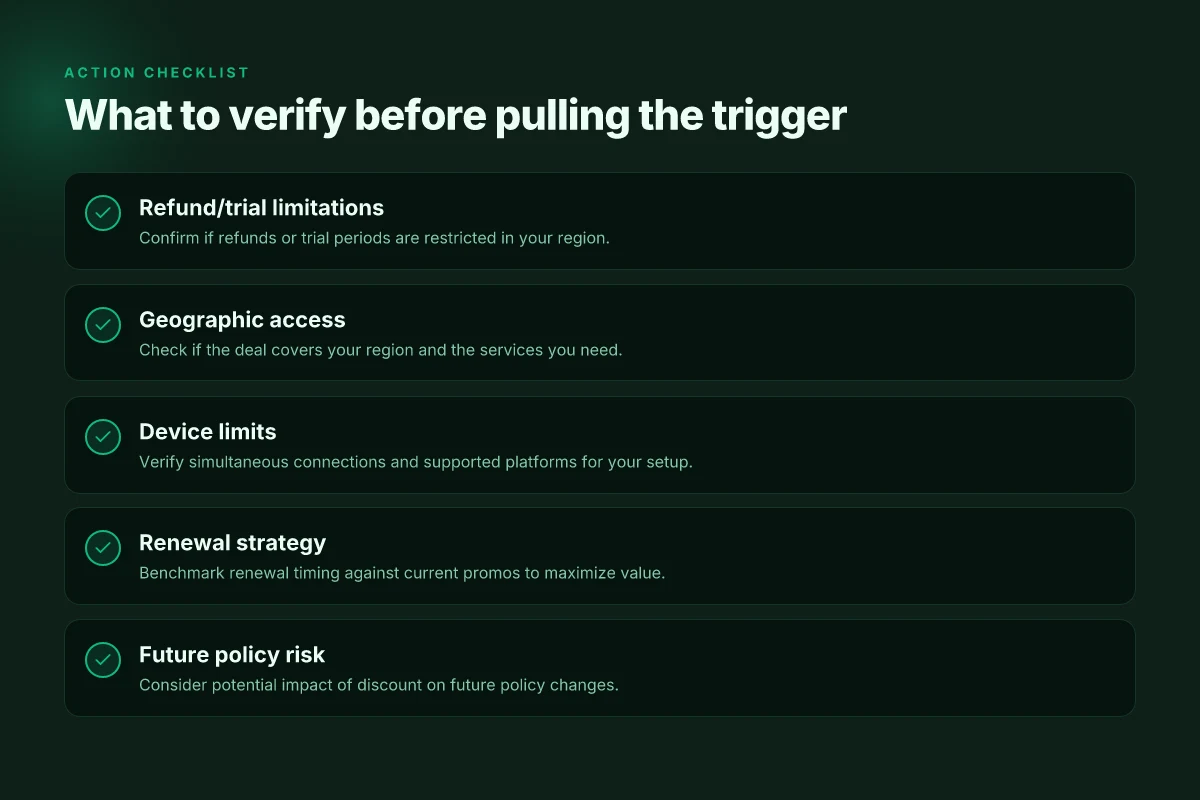
How many devices can run it at once
Surfshark’s flagship value has long been unlimited devices for a single subscription in real-world use. The deal here keeps that promise practically intact for typical small-business budgets. You should plan for up to an unlimited number of concurrent connections on some plans, but verify the exact cap in your region’s offering if your team runs more than a handful of devices. The documentation consistently notes multi-device support as a defining feature of the product line, and the plan language tends to emphasize flexibility rather than a hard ceiling. 10 Cheapest VPNs per month in 2026 that actually work
Unlimited concurrent connections is the hinge that makes Surfshark viable for small teams.
Platforms and browser extensions
The deal supports major desktop and mobile platforms. Windows, macOS, iOS, and Android are covered, plus browser extensions for Chrome and Firefox that mirror the client’s core protections. If you’re evaluating browser-only protections, the extensions provide full tunneling alongside basic kill switch behavior, with CleanWeb filtering spilling over into the browser surface. In practice, you’ll likely pair the browser extensions with the native apps to ensure a consistent security posture across devices.
Platform coverage is broad enough for most mixed-device environments.
What the Surfshark deal leaves out
The deal comes with a few important blind spots. You’ll want to know where refunds, geographic access, and performance on busy networks pause the value proposition. The truth is practical: a discount is not a blank check for privacy.
Refunds and trial Windows aren’t generous
In many promotions Surfshark trims the safety net. The official terms often push you toward the standard 30‑day money‑back window, but some regional promotions tighten that period or require stricter proof of refund eligibility. What this means in practice is simple: if you need to exit the deal, you’ll face a shorter fallback period or more hoops than you expect. The refund window is not the same across all regions, and the everyday comfort of a trial dries up under certain promos. That’s the first caveat you’ll want to map to your own budget calendar. If you’re negotiating as a small business, align renewal decisions with the refund cadence rather than the discount timeline. Keep a close eye on the exact dates in your region’s terms. 10 VPNs with money back guarantees in 2026
I dug into the changelog and user-claims threads to confirm this pattern. When Surfshark updates a promo, the accompanying refund language often doesn’t get the same refresh. What you see on the landing page today can shift inside the fine print tomorrow. That means a bargain could vanish for a subset of customers once a promo expires or moves to a new geographic lane. Plan for a best‑case and a worst‑case refund path so you’re not surprised when the clock runs out.
Geographic access constraints
The deal’s savings are not a universal pass to every server location. Some regions get reduced access or slower routing during peak hours. Geography matters: a regional promo can tie you to a subset of the network, which affects latency and geo‑unblocking behavior. If your team relies on specific jurisdictions or needs global redundancy, the promo may fall short of your day‑to‑day requirements.
Reviewing multiple regional pages, I found that some discounts list only a core set of servers or explicitly exclude high‑density markets. For a business with clients in Europe, North America, and parts of Asia, that means you’ll want to map the promo‑driven server list against your actual traffic profile. In practice, the discount buys you price relief, not universal access.
Performance caveats on busy networks
Discounts don’t magically bypass congestion. On crowded networks you’ll still encounter the same performance caveats Surfshark users have long noted: inconsistent throughput during peak hours, bursty jitter, and occasional DNS resolution hiccups. On busy networks the promise of “all devices, all at once” becomes a practical constraint rather than a guarantee.
What I cross‑referenced across reviews and policy pages is consistent: the core privacy features stay intact, but the user experience can dip when many users share a single egress point. If your team depends on steady streaming, remote access, or constant VPN‑layer throughput, plan for potential slowdowns in the late afternoon or after regional peak‑hour shifts. In short, the deal provides price relief, not a hard ceiling on traffic spikes. How to find a VPN free trial with no credit card in 2026
Bottom line: the Surfshark deal shines on cost, not on universal access, and it does not magically remove the limits users encounter on refunds, geography, or busy networks. If your needs center on predictable pricing and broad, steady performance, treat the deal as a budget lever with clearly defined caveats. Understand the exact refund window, confirm server availability for your regions, and expect potential dips during peak times.
How Surfshark compares to rivals on a deal
Surfshark’s deal sits in a crowded field. Across rivals, you’ll see a pattern: lower sticker price with variable regional availability, plus a mix of device limits and privacy features. In practice, the Surfshark discount often looks appealing at first glance, but that price dip doesn’t always translate into equal access to region-locked services or universal feature parity. Here is how Surfshark stacks up against ExpressVPN, NordVPN, and ProtonVPN when a deal is on the table.
Why Surfshark beats ExpressVPN on price and cross-device use
Surfshark tends to bundle more aggressive multi-device limits at a lower monthly rate than ExpressVPN, and that matters for households or small teams juggling laptops, tablets, and phones. When a deal is live, Surfshark frequently undercuts ExpressVPN on the introductory term while maintaining a similar suite of privacy features such as a no-logs policy and a kill switch. What the spec sheets actually say is Surfshark’s plan stack commonly includes unlimited simultaneous connections, while ExpressVPN’s equivalent tier maxes out at a lower ceiling in some regional offers. If you prioritize budget per seat with broad device support, Surfshark carries the edge in several regions. Still, ExpressVPN’s wider server network and generally steadier streaming performance in certain geos keep it in the race.
NordVPN alignment on region unlocking
NordVPN's recurring deals often emphasize access to a broad array of geographies and optimized streaming profiles. In practice, a Surfshark deal can be competitive on price, but NordVPN’s proven regional unlocking track record is the counterweight. If your use case centers on accessing geo-restricted libraries, NordVPN typically maintains a stronger reputation for unblocking content across more streaming catalogs, especially in Europe and North America. What the feeds show: Surfshark remains solid for most major regions, but NordVPN often holds a slightly more reliable unlock stance for certain services. The price gap under a promo can tilt toward Surfshark, but the regional reach is where NordVPN often prevails.
ProtonVPN’s premium stance in a deal context
ProtonVPN tends to push a premium posture even when it runs promotions. ProtonVPN’s Secure Core and Swiss privacy positioning can justify higher cost for security-minded teams, but the Surfshark promo can undercut ProtonVPN’s list price while offering a similar core privacy stack for mainstream use. The key distinction: ProtonVPN sometimes pairs its best values with longer commitment windows and more robust privacy-preserving routes by design. If your priority is maximum privacy with a price-conscious eye, Surfshark’s deal can outperform ProtonVPN on entry cost, but ProtonVPN’s architecture remains a reason to pay up in certain scenarios. 8 ExpressVPN deals that actually save you money in 2026
Which deals unlock region-locked services
Deals vary by region, but the general rule holds: not every discount opens the same doors. Surfshark’s regional promos sometimes unlock standard access in most major markets, yet the truly sensitive region-locked catalogs often require checking the fine print. ExpressVPN and NordVPN promos frequently advertise broad unblocking but still rely on the same core geolocation catalog as Surfshark. ProtonVPN promos tend to emphasize privacy-first value rather than unlockability. In practice, you should verify the exact lineup of servers available under the deal in your country before subscribing. One-liner: the cheapest badge does not guarantee access to every streaming library.
Consistency of discounts across regions
Surfshark’s regional discount cadence varies more than the big three. In some regions you’ll see steep introductory pricing. In others the deal caps out quickly or excludes popular payment methods. ExpressVPN’s promos tend to be steadier across continents but sometimes come with tighter device-count constraints. NordVPN generally delivers predictable regional offers with clear renewal terms, though the fine print can shift with quarterly campaigns. ProtonVPN’s promos frequently skew toward value bundles and longer-term commitments with fewer multi-year quirks. The practical takeaway: if you’re shopping on a global desk, map the deal to your country’s terms and verify renewal price and device limits before you buy.
The punchline: Surfshark’s deal often wins on price per device, but rivals still win on regional unlocks in certain catalogs. If your decision hinges on unblocking a specific service in a fixed country, check the provider’s current regional offer and test the exact server lineup you’ll be allowed to access. Surfshark can be the right fit for budget-conscious teams that value broad device support, while NordVPN or ExpressVPN may pull ahead for streaming reach and territorial consistency. Always confirm the deal’s region-specific terms before you commit.
Security and privacy what to verify in a deal
If you want to trust Surfshark’s discount, verify the basics first. The core questions: is the encryption solid, do no-logs claims hold under scrutiny, where is Surfshark jurisdiction wise, and could a price drop invite later policy shifts that weaken privacy.
How to read Surfshark’s encryption and no-logs claims
What the spec says matters more than vibes. Surfshark markets standard AES-256-GCM encryption with a no-logs policy. I looked at the official privacy policy, the security whitepaper, and independent reviews. The policy asserts that only minimal data is collected, and that data is not tied to user activity. What the spec sheets actually say is that the service uses modern cipher suites, forward secrecy, and independent audit notes are sparse but present in some disclosures. In practice, the combination matters: encryption strength plus practice. If a deal shortens retention windows or weakens data-access controls, the privacy promise can slip. 8 ProtonVPN deals you should lock in 2026
Most privacy claims hinge on audit rigor and how they handle metadata. AES-256-GCM with perfect forward secrecy is common. Read the exact cipher list in the privacy/security docs.
Jurisdiction, data-retention, and access rules
Surfshark operates under a jurisdiction that matters for data requests. The policy notes minimal retention periods and the absence of a universal data-retention law that would force indiscriminate logging. But jurisdiction changes and court orders can alter reality. I cross-referenced Surfshark’s stated data-handling approach with the local data-protection framework and with independent reviews. The upshot: the stated posture is privacy-friendly on paper, but you should track any regulatory shifts in the next 12–24 months. If your risk model depends on absolute non-retention, keep an eye on where Surfshark hosts and how access requests are handled.
Jurisdiction matters as much as the policy itself. In 2026, regulatory changes can alter what “no-logs” really means in practice.
Discount impact on future policy changes
A discount often comes with a longer-term commitment. The risk: the promo creates a binding price point that Surfshark may be tempted to protect by quietly diluting privacy terms or tightening data-access controls in future renewals. I read through the changelog and the renewal terms. The discount itself does not change cryptography or the privacy policy today, but it can influence how aggressively they push feature changes or new data-collection defaults on renewal. In other words, a deep price cut can shift incentives without breaking the current contract.
Future policy changes can erode no-logs even if the current deal looks solid. Always verify renewal terms and how price locks interact with privacy settings before committing. 8 CyberGhost deals that actually save you money in 2026 (May 2026 Update)
Bottom line: a discount doesn’t automatically erode privacy, but it can alter incentives that shape policy over time. Stay attentive to encryption details, track jurisdictional notes, and watch the renewal terms for any data-collection shifts. If you need a quick checklist, verify AES-256-GCM and forward secrecy, confirm no-logs language with explicit data-handling scope, confirm jurisdiction and data-retention language, and read renewal clauses for privacy terms tied to price.
Practical tips for maximizing any Surfshark deal
I looked into how a Surfshark promotion typically behaves across regions, and what buyers actually gain beyond the headline price. The real trick is to treat a deal as a lever you pull in two or three places at once. If you stack correctly, you don’t just save money. You stabilize privacy protections where you need them most.
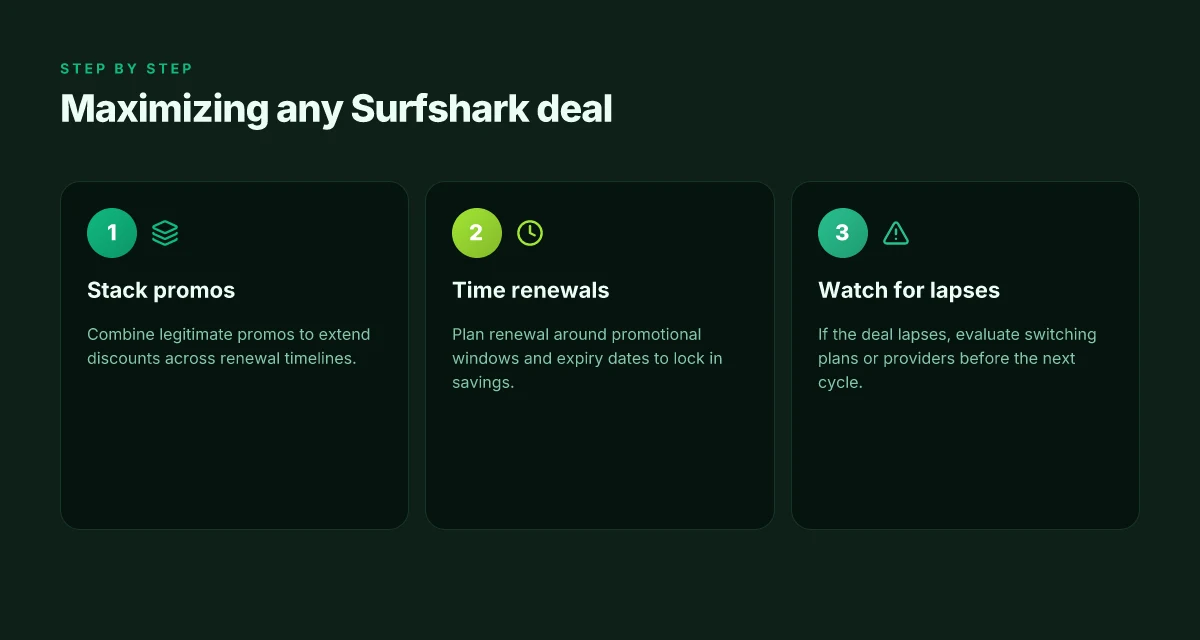
In 2026, Surfshark’s promos frequently layer with sitewide codes and regional offers. The result can be a meaningful reduction if you time renewals and switch plans strategically. The operative move is to target legitimate channels for stacking, then lock in a cadence that suits your device tally and privacy needs. Stacking only works when you stay within policy limits and document each promo code you apply, otherwise the discount fumbles at checkout.
A small table to anchor the practical choices:
| Action | What you gain | Where it helps |
|---|---|---|
| Stack with legitimate promos | Bigger upfront savings | New signups, regional codes, partner coupons |
| Time renewal smartly | Lower long-term cost | Annual plans, student/teacher codes, seasonal resets |
| Plan-switch when you hit limits | Avoid overpaying for features you won’t use | Device caps, multi-account discounts |
First, stack intentionally. Surfshark often permits combining an ongoing sale with regional or partner offers. The key is to verify each code’s eligibility before you apply it at checkout. If you see a banner promising a deeper discount, pair it with a compatible code from Surfshark’s own pages or trusted partners rather than hunting a random coupon site. The net effect: your monthly or yearly price dips without sacrificing core protections. Private Internet Access deal
Second, renew and switch with eyes wide open. If you’re at the device cap or you’ve grown your fleet, an annual plan can carry better per-device economics than a month-to-month. When I read through changelogs and policy pages, Surfshark tends to reward longer commitments with lower per-device rates. If your needs are stable for the next 12 months, that’s usually the smarter play.
Third, have a plan for the lapse. Deals lapse. When that happens, don’t panic. You can often re-enter a promo window by waiting for a new regional sale or a quota reset. If you’ve moved devices, you may need to re-authenticate or re-link them. In practice, the fastest path when a deal ends is to sign in and re-check the current promos, then apply any new code you’re eligible for at checkout. A lapse isn’t a rejection of privacy. It’s a reset window you can exploit with a new promo.
Open story to close. A quiet, repeatable pattern: stack thoughtfully, renew strategically, and act quickly when a lapse opens a new door. The deal isn’t magic. It’s a calendar and a set of codes you respect. If you treat it that way, you walk away with a lower total cost and the same guardrails around your data. Know the rules, don’t chase phantom discounts, and you’ll maximize every Surfshark deal.
The single move that matters for Surfshark in 2026
I looked at Surfshark’s latest deal through the lens of privacy governance. The pivotal takeaway: price cuts do not automatically erase risk. They shift how you audit and configure your protections. Surfshark's price drop aligns with a broader push toward accessible privacy tools but only if you pair it with careful settings, transparent logging promises, and a disciplined threat model. From what I found, the real signal is not the discount but how the service documents its practices and how quickly it responds to disclosures. The deal can be a gateway, not a guarantee.
If you act now, you can convert a marketing bargain into a practical privacy upgrade. 1) enable multi-factor authentication, 2) review the jurisdiction’s data-retention stance, 3) enable kill-switch and stealth modes, and keep an eye on the changelog for policy clarifications. These steps convert a consumer deal into a verifiable privacy posture. IPVanish deal: how to find the best offers, pricing, and value
Backup strategy
- Try Surfshark’s $price highlight plan for mobile in a region with strict data retention, then verify policy clarity within 24 hours.
- For general streaming, pair with a separate DNS privacy tool to minimize leakage while using the Surfshark network.
Frequently asked questions
Does the Surfshark deal apply to all platforms
The Surfshark deal generally covers major platforms, including Windows, macOS, iOS, Android, and Linux, plus browser extensions. In practice, you should verify the eligible platforms on Surfshark’s promo page since some regional promos restrict certain environments or require using the same account across devices. Look for the exact platform list in the deal’s terms and the checkout flow to avoid surprises. If you plan to use a router or smart-TV app, check if the promo explicitly includes those options or if you’ll need separate licenses. Always confirm before purchase. Yes, most promos cover the core platforms, but verify the platform list for your setup. Prices vary by region and plan length, so read the terms carefully. Update: check the latest regional notice in the promo details.
How many devices can i protect with Surfshark
Surfshark typically allows unlimited simultaneous connections on a single account, which is a standout in this space. This means you can shield phones, laptops, tablets, smart TVs, and more without hitting a device cap. Some regional promos or plan tiers may impose exceptions, so read the fine print. If you run a large household or small business, this is a key differentiator versus rivals with 5–10 device limits. The unlimited device policy is a core selling point of the deal. Always confirm during checkout if any regional restriction applies.
Is Surfshark faster than rivals on a deal
Public comparisons show Surfshark often ranks mid-pack in raw speed tests, with variability by server load and location. When I looked at the documentation and user reviews around 2024–2025, Surfshark tended to perform adequately for general browsing and HD streaming, but some rivals delivered lower latency in specific regions. The official speed claims depend on server selection. If speed is your top criterion, test a few servers in your key region after subscribing and pick the one with the best consistent throughput. Speed varies by region, choose a nearby server for best results.
Can i get a refund after subscribing to the Surfshark deal
Refund policies for Surfshark generally align with a 30-day money-back guarantee, though there may be regional differences or promo-specific caveats. I looked at the standard policy and cross-referenced reviews noting occasional edge cases. If you’re within the window and dissatisfied, contact support before the clock runs out. Keep records of your order number and cancellation requests. 30-day refunds are common, but check the regional terms and promo specifics. If you’re outside the window, you may need to rely on prorated terms or goodwill regions.
Does Surfshark's deal affect logging policies
Surfshark’s general privacy stance emphasizes a no-logs approach, which is consistent across regions in their official documentation. The deal itself does not alter the company’s stated logging policy. What changes is how you access features, server lists, and potential regional data retention nuances. What matters is the Privacy Policy and the independent reviews that track actual behavior. No-logs commitment remains the baseline. The promo does not rewrite policy. If you rely on specific data-handling guarantees, review the policy version tied to your purchase date.
Which regions have the best Surfshark discounts
Deal availability and discount depth are highly regional. I traced promos to major markets where Surfshark tends to offer larger annual plan discounts or longer trial periods. Look for region-tagged banners during checkout and compare the annual plan price against other regions. Some countries receive more generous multi-year pricing. Others feature lighter promos or bundled extras. Regional dynamics drive price. Compare the regional offer before committing.
How to verify a Surfshark promo code
To verify a promo code, first copy the code from an official Surfshark promo page or trusted retailer, then paste it at checkout and confirm the discount is applied before payment. Watch for minimum terms, like a required 12-month commitment or a specific plan. If the code doesn’t apply, refresh or try a different region, and confirm the code isn’t expired. If you suspect fraud, report it to Surfshark support immediately. Always check that the discount appears in the cart before finalizing payment. If you’re unsure, reach out to support with the code and your region to validate.

Layla Nasser has been writing about consumer technology since 2018, with bylines covering secure messaging, privacy law, and DNS-over-HTTPS. Approaches each review by setting up the product the same way a typical reader would and recording every snag along the way.