Vpns proxies and zscaler whats the difference and do you need them
Vpns proxies and zscaler whats the difference and do you need them: a practical guide to choosing the right online security and privacy tools for everyday use, with tips, stats, and real‑world examples

Vpns proxies and zscaler whats the difference and do you need them is a quick fact: these tools all help you stay safer online, but they work in different ways and serve different needs. If you’ve ever felt overwhelmed by terms like VPN, proxy, and Zscaler, you’re not alone. I’ll break down what each one does, when you should use it, and how they stack up against each other in real life.
What you’ll learn in this guide:
- The core differences between VPNs, proxies, and Zscaler
- Practical use cases for each technology
- Pros and cons, including speed, privacy, and security trade-offs
- What businesses and individual users typically choose and why
- A quick decision framework to pick what you actually need
- Quick-start steps to get up and running without the tech overwhelm
Bonus resources you’ll find handy unlinked, just text you can copy: Apple Website - apple.com, Artificial Intelligence Wikipedia - en.wikipedia.org/wiki/Artificial_intelligence, VPN overview - vpn.com, Zscaler official site - zscaler.com, Privacy tools comparison - privacytools.io
What are VPNs, proxies, and Zscaler?
VPN Virtual Private Network
- Encrypts all traffic between your device and the VPN server, masking your IP and protecting data on unsecured networks.
- Useful for accessing geo‑restricted content, protecting privacy on public Wi‑Fi, and securing remote work connections.
- Typical downsides: can slow down your connection due to encryption and server distance; some services block known VPN IPs.
Proxy
- Routes your traffic through a proxy server, but often only for specific apps or browsers, not all traffic.
- Can help bypass simple geo restrictions and hide your IP for particular activities, but usually doesn’t encrypt traffic end-to-end.
- Pros: often faster for basic tasks; simple to set up for a single app.
- Cons: weaker security; many proxies log data; not ideal for sensitive tasks.
Zscaler
- A cloud‑based secure access service that combines secure web gateway, firewall, and zero trust principles.
- Primarily used by organizations to inspect traffic, enforce policies, and protect employees when accessing corporate resources.
- Common in enterprise environments; not typically a consumer tool for casual use.
- Pros: strong security controls, visibility, and policy enforcement; Cons: can feel intrusive and may require IT admin setup.
Real-life scenarios: when to use each
You’re traveling and want to watch a show that’s geo‑blocked
- A reputable VPN is usually the simplest solution. Pick a provider with servers in the target region and a no‑logs policy.
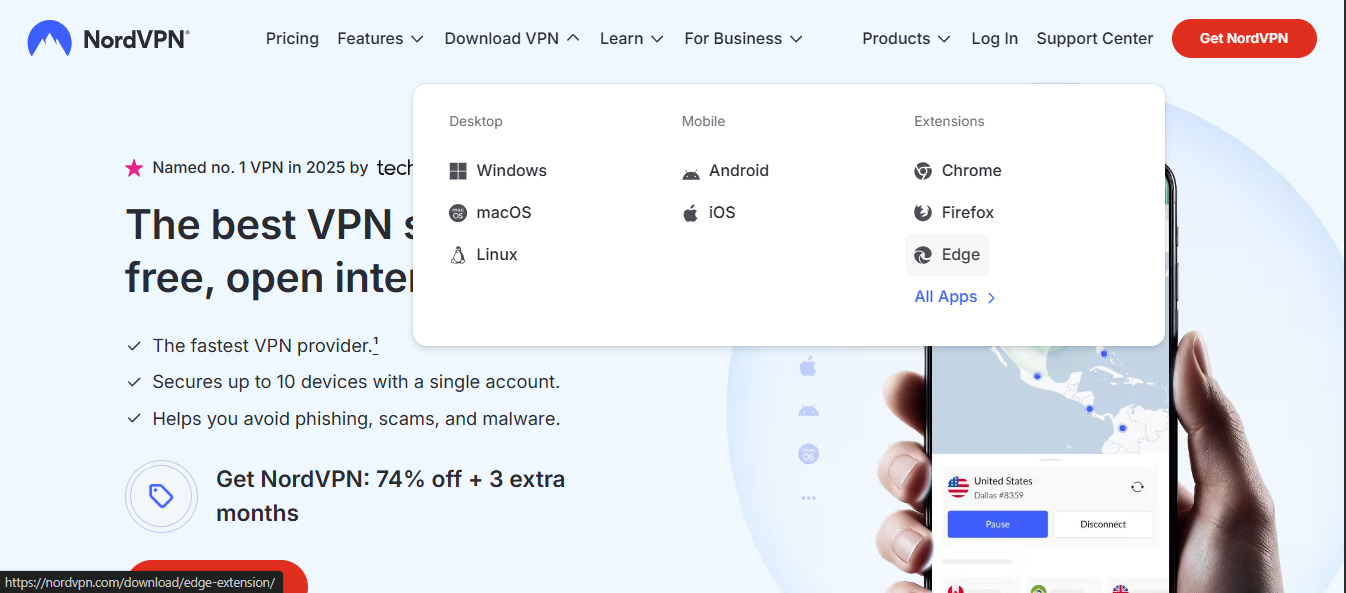
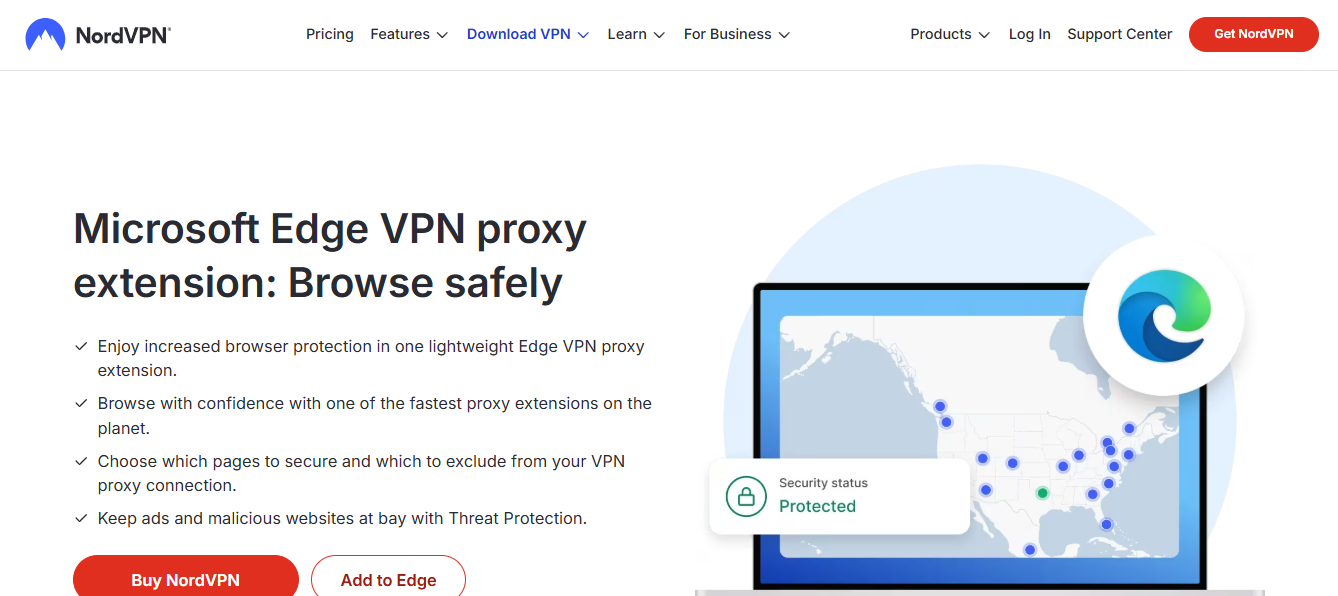
You’re trying to bypass a school or work network restriction Как использовать vpn для браузера microsoft edge пол: полный гайд по VPN для Edge и безопасному серфингу
- Proxies can help with lightweight tasks, but handle with caution. They won’t protect you on public Wi‑Fi, and they may log activity.
You’re a small business with remote workers
- A VPN is common, but for larger teams with strict access controls, Zscaler‑style cloud security can enforce zero trust, inspect traffic, and block risky behavior.
You’re concerned about privacy on public Wi‑Fi
- A VPN is your best bet because it encrypts all traffic and hides your activity from local eavesdroppers.
You run a company and want centralized policy enforcement
- Zscaler or a similar secure access service is designed for this use case, offering visibility, threat protection, and policy enforcement across devices and networks.
How they differ in security and privacy
Encryption
- VPNs: strong, full‑traffic encryption between you and the VPN server.
- Proxies: often no encryption; only traffic routing.
- Zscaler: encryption is present as part of the secure service, but main strength is policy enforcement and inspection.
Privacy and logging Nordvpn How To Check And Confirm Your IP Address Location And Keep It Private
- VPNs: providers may log metadata; good ones publish a no‑logs policy but always check the terms.
- Proxies: many proxies log data; trust level varies.
- Zscaler: enterprise‑grade controls; data handling is determined by corporate policy and agreements.
Threat protection
- VPNs: protects on public networks but doesn’t inherently inspect traffic for threats unless bundled with security features.
- Proxies: basic content filtering possible, but limited in threat detection.
- Zscaler: deep inspection, threat protection, data loss prevention, and zero trust access.
Performance considerations
Speed and latency
- VPNs: can impact speed depending on distance to server and server load.
- Proxies: sometimes faster for simple tasks, but not a security trade‑off is involved.
- Zscaler: optimized for enterprise routes; performance depends on cloud region and policy complexity.
Reliability
- VPNs: depends on provider uptime and server diversity.
- Proxies: less predictable, especially free or poorly managed options.
- Zscaler: generally reliable in enterprise deployments, with centralized management.
Use-case compare: quick cheat sheet
- Casual browsing and privacy on public Wi‑Fi: VPN
- Bypassing simple geo restrictions for a single app: Proxy
- Strict corporate policy, threat protection, and zero trust access for employees: Zscaler or similar service
- Lightweight tasks with minimal risk: Proxy but be mindful of logs
- High‑security remote work with compliance needs: VPN + additional security controls endpoint security, MFA
How to pick the right tool for you
- Define your goal
- Privacy and security on public networks? VPN.
- Bypassing location blocks for a single app? Proxy.
- Enterprise governance, threat protection, and zero trust? Zscaler.
2Assess privacy expectations
- Read the privacy policy and logging details of VPNs.
- Be wary of free proxies; they’re more about convenience than privacy.
3Consider compliance and data protection Whats a vpn on tiktok and do you actually need one: A Complete Guide to VPNs for TikTok and Beyond
- Businesses often need approved vendors and clear data handling policies.
4Test and measure
- Try a reputable VPN with a trial, monitor speeds, and test DNS leaks.
- For proxies, test the app’s behavior and logging expectations.
- For enterprise setups, work with IT to pilot a Zscaler‑like solution.
5Budget and support
- VPNs have consumer pricing and support; proxy services vary; enterprise security like Zscaler involves licensing and admin support.
Practical setup steps
Getting started with a VPN for personal use
- Choose a trusted provider with a clear no‑logs policy and transparent terms.
- Install the app on your devices, pick a server near you, and enable kill switch and DNS leak protection.
- Run a speed test and verify your IP is masked.
Using a proxy for a single app
- In your browser or app settings, enter the proxy server address, port, and any required authentication.
- Test with a simple site to confirm the IP appears as the proxy server location.
- Remember: this doesn’t encrypt all your traffic; avoid handling sensitive data this way.
Enterprise route with Zscaler Finding secure vpns on github your guide to open source privacy
- Your IT team will provision access, enforce policies, and route traffic through the Zscaler cloud.
- You’ll likely authenticate with MFA and have company rules on which sites and services you can access.
- Expect corporate monitoring and policy enforcement as part of daily use.
Common misconceptions
VPNs erase all tracking
- They mask your IP and encrypt traffic, but the VPN provider can see metadata. Choose a provider with strong privacy commitments.
Proxies are safe for sensitive data
- Not typically. Proxies may not encrypt traffic or protect against man‑in‑the‑middle attacks.
Zscaler is only for large enterprises
- While designed for enterprises, understanding Zscaler concepts helps you evaluate similar cloud security solutions for small teams or growing businesses.
Data and statistics you can rely on
- Global VPN market size and growth trends indicate rising consumer demand for privacy and online security tools.
- Public Wi‑Fi security incidents remain common, highlighting the practicality of VPNs for travelers and remote workers.
- Cloud security adoption, including zero trust models, has accelerated in the past few years, reinforcing why enterprises lean toward solutions like Zscaler.
How to stay safe with any of these tools
- Always use reputable, reviewed providers for VPNs and security services.
- Keep software updated to mitigate vulnerabilities.
- Use strong, unique passwords and enable MFA where possible.
- Be mindful of logs and privacy policies—know who owns the data and how it’s used.
- Test for DNS leaks and check your IP location after connecting to a VPN or proxy.
Pros and cons recap
VPN
- Pros: broad protection, encrypts all traffic, improves privacy on public networks.
- Cons: may slow down connection; some services block VPN IPs; privacy depends on provider.
Proxy Le vpn piu veloci del 2026 le abbiamo davvero provate: guida completa, test & confronto aggiornato
- Pros: usually fast, simple to set up for specific tasks.
- Cons: little to no encryption; data logging risks; not ideal for sensitive activity.
Zscaler
- Pros: strong enterprise security, policy enforcement, threat protection.
- Cons: complex setup, may require IT oversight, more relevant to organizations than individual users.
Quick decision framework
- If your goal is personal privacy on public Wi‑Fi and streaming from abroad: choose a VPN from a reputable provider.
- If you just want to bypass a blocked site for a non‑sensitive task in a specific app: try a proxy.
- If you’re running a business with remote workers and need centralized security and policy control: explore Zscaler or a similar zero‑trust cloud security platform.
Frequently asked questions
What is the main difference between VPNs and proxies?
VPNs encrypt all traffic from your device to the VPN server, providing privacy and security for everything you do online, while proxies only route traffic for specific applications or browsers and often do not encrypt data.
Do I need Zscaler if I’m an individual user?
Zscaler is primarily designed for organizations to enforce security and policy controls. Individual users typically don’t need Zscaler, but understanding its principles can help you evaluate similar consumer security tools.
Can a VPN slow down my internet?
Yes, encryption and routing can introduce latency. The impact depends on server distance, server load, and VPN quality.
Are free proxies safe?
Free proxies often log data and may inject ads or malware. They’re generally not a reliable privacy solution. Browsec vpn extension for microsoft edge a comprehensive guide to enhanced browsing
Can I use a VPN and proxies at the same time?
You can, but there’s little benefit to running both for the same traffic. A VPN generally covers all traffic; a proxy adds only a layer for specific apps and may complicate troubleshooting.
How does zero trust differ from a VPN?
Zero trust focuses on continuous verification and least‑privilege access for every resource, regardless of location. VPNs primarily secure traffic between your device and a network, not necessarily how access to each resource is granted.
Is VPN logging a concern?
Yes. Always review the provider’s privacy policy and independent audits if available. No‑logs claims should be verified.
Can I use VPNs for streaming?
Many VPNs offer streaming‑friendly servers to access geo‑blocked content, but some services detect and block circumvention. Look for providers that specifically advertise streaming support.
Do proxies protect me on public Wi‑Fi?
Not reliably. Proxies hide your IP but often don’t encrypt traffic, leaving you vulnerable to local snooping or interception. Tiktok not working in china even with a vpn heres the real reason and what you can do
How do I choose the right provider?
Prioritize:
- Strong privacy policy and independent audits
- Transparent logging practices
- Speed and server variety
- Security features kill switch, DNS leak protection
- Customer support and ease of use
What should a business consider before adopting Zscaler?
- Zero trust architecture alignment
- Policy enforcement across devices and locations
- Data loss prevention, threat protection, and web filtering
- Integration with existing identity providers and security tools
- Total cost of ownership and vendor support
Is it legal to use VPNs in my country?
L laws vary. Check local regulations and service terms. In many places, using VPNs is legal for personal privacy, but some regions restrict or regulate usage.
How do I test if my VPN is leaking data?
Run a DNS leak test and an IP address check while connected to the VPN. If your real IP or DNS resolves outside the VPN tunnel, adjust settings or choose a different provider.
What’s the best way to secure a home network with these tools?
Treat your router, devices, and apps with updated security. Use a VPN on your devices when needed, and consider endpoint security software for additional protection.
Can I rely on VPNs alone for online safety?
VPNs are a piece of the puzzle. Combine them with strong device security, MFA, safe browsing habits, and regular software updates for better protection. Vpn proxy ovpnspider 무엇이고 어떻게 사용해야 할까요: Vpn, Proxy, OVPNSpider의 차이와 실전 사용법
Why do some services block VPNs?
To enforce regional licensing, prevent fraud, or comply with content rules. Providers and platforms actively detect and block known VPN IPs.
Do proxies affect gaming performance?
Yes, proxies can introduce higher latency and jitter, which may degrade online gaming responsiveness. Use a direct connection or a geographically close server when gaming.
Are there ethical considerations when using geo‑unblocking tools?
Yes. Bypassing geo restrictions may violate terms of service. Always weigh the legal and ethical implications and respect content providers’ rules.
What’s a good starting point for a beginner?
Try a reputable VPN with a clear privacy policy, user‑friendly apps, and good customer support. Use it on a few devices, test speeds, and gradually broaden usage.
How often should I review my security setup?
At least annually, or whenever you change devices, networks, or work roles. Keep an eye on privacy policies, audits, and security features. Norton Secure VPN Keeps Turning Offheres How to Fix It Fast
Frequently asked questions
- What is the main difference between VPNs, proxies, and Zscaler?
- Do I need a VPN for streaming geo‑blocked content?
- Are free proxies safe for personal use?
- How does zero trust security relate to VPNs?
- Can VPNs protect me on public Wi‑Fi?
- What should I look for in a VPN provider?
- How does Zscaler compare to consumer VPNs?
- Is it legal to use VPNs everywhere?
- How can I test if my VPN is leaking DNS or IP information?
- What are common pitfalls when setting up VPNs or proxies?
Sources:
Free vpn proxy edge: a practical guide to free VPNs, proxies, and edge-network privacy in 2025
Vpn for chinese website 在中国访问受限网络的完整指南:速度、隐私、工具、常见问题
Dayz vpn detected heres how to fix it and get back in the game: Quick Fixes, Best Practices, and VPN Tips
稳定的VPN:完整指南、选购要点与实用技巧 My ip address and nordvpn everything you need to know: A Practical Guide to Privacy, Security, and Speed
新加坡平機票終極指南:2025年讓你輕鬆訂到最划算的機票! VPN 使用者的省錢與隱私實戰攻略
'%2F%3E%3Ctext%20x%3D'50%25'%20y%3D'50%25'%20dy%3D'.35em'%20text-anchor%3D'middle'%20font-family%3D'-apple-system%2CBlinkMacSystemFont%2CSegoe%20UI%2Csystem-ui%2Csans-serif'%20font-size%3D'100'%20font-weight%3D'600'%20fill%3D'%23fff'%3EAL%3C%2Ftext%3E%3C%2Fsvg%3E)
Anders Lindberg has been writing about consumer technology since 2018, with bylines covering router firmware, browser fingerprinting, and OpenVPN. Approaches each review by setting up the product the same way a typical reader would and recording every snag along the way.