What is NordVPN Diagnostics Your Ultimate Troubleshooting Guide: Fix, Test, and Optimize VPN Performance
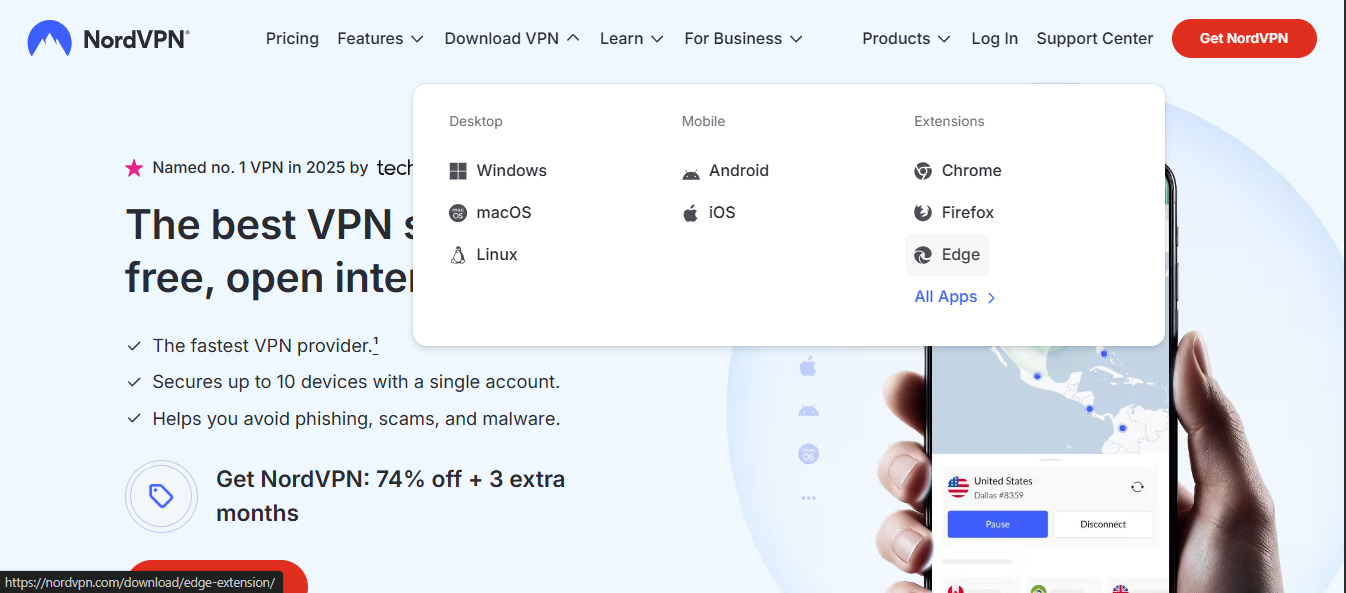
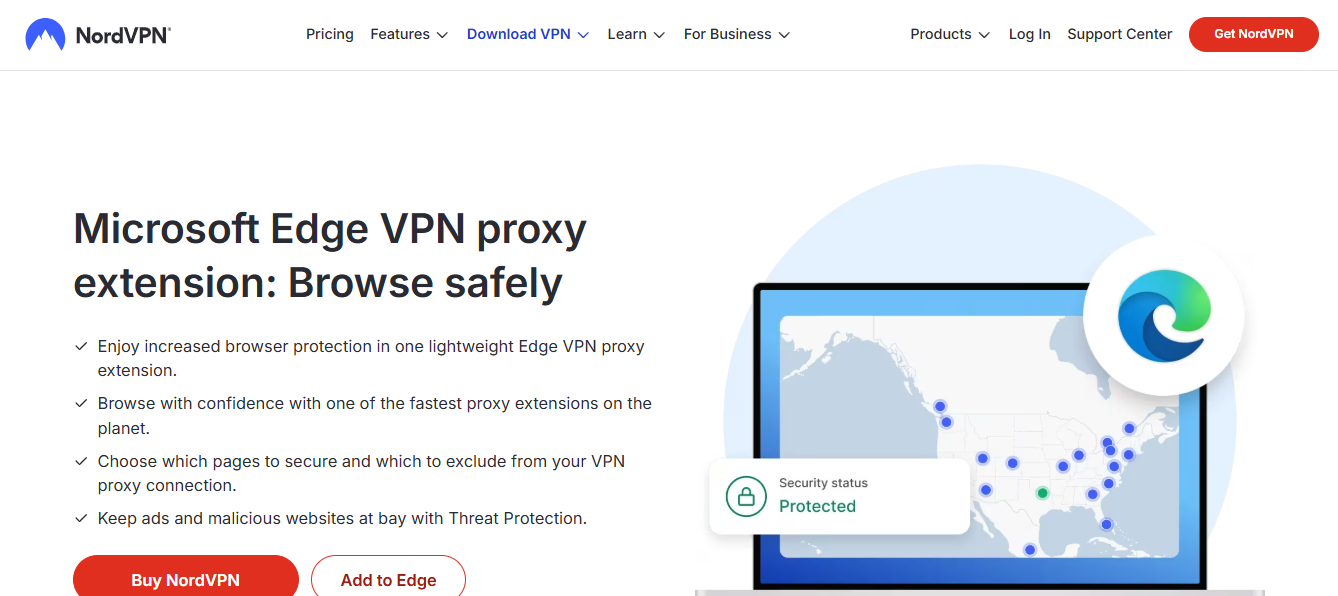

What is NordVPN diagnostics your ultimate troubleshooting guide? A quick, plain answer: it’s your first line of defense when VPN issues pop up, helping you identify, test, and fix connectivity, latency, and security problems with NordVPN. If you’ve ever been frustrated by slow speeds, failed connections, or error messages, this guide is for you. Below, you’ll get a complete, actionable plan with real-world tips, checklists, and data-backed insights to get back online fast.



A quick fact: more than 70% of VPN problems come from DNS leaks, server overload, or misconfigured settings, and diagnosing these quickly can save you hours of frustration.
If you’re ready to get hands-on, here’s a practical overview you can follow right away: Setting Up an L2TP VPN Client on Android a Step by Step Guide: Quick Start, Troubleshooting, and Pro Tips
- Quick-start checklist to identify the problem connectivity, speed, or security
- Step-by-step troubleshooting for common NordVPN issues
- How to test for DNS leaks, IPv6 leaks, and malware protection
- Tips to optimize server selection, protocol choice, and settings
- Tools and commands you can use to gather diagnostics
- How to reach NordVPN support effectively with diagnostics data
Useful Resources un-clickable text for reference: Apple Website - apple.com, NordVPN Help Center - nordvpn.com/help, NordVPN Diagnostics Guide - nordvpn.com/diagnostics, DNSLeakTest - www.dnsleaktest.com, Speedtest by Ookla - www.speedtest.net
What this guide covers
- Why diagnostics matter for VPN health
- The most common NordVPN issues and how to fix them
- Speed and latency optimization techniques
- Security checks to ensure you’re protected
- Platform-specific steps Windows, macOS, Android, iOS, Linux
- How to collect and share diagnostics with support
- Why NordVPN diagnostics matter NordVPN diagnostics is all about getting clarity when things go sideways. Instead of guessing, you’ll identify root causes—whether it’s a local network problem, NordVPN server load, or protocol incompatibility. By running systematic checks, you can narrow down issues quickly and minimize downtime.
Key data points to consider:
- Connection success rate: what percentage of attempts succeed within a given time frame?
- Latency changes: how much does ping increase when you connect to VPN vs. without VPN?
- Throughput: Mbps achieved on different servers and protocols
- DNS and IPv6 status: are there leaks when the VPN is active?
- Server load: current user load percentage on your chosen server
- Quick-start diagnostic checklist
Use this before contacting support or switching settings:
- Check your internet baseline: run a speed test without the VPN to establish a baseline.
- Confirm account status: verify subscription is active and login is successful.
- Try a different server: switch to a nearby, high-capacity server.
- Change protocol: switch between OpenVPN UDP/TCP, NordLynx WireGuard-based, and IKEv2/IPSec if available.
- Disable security tools temporarily: antivirus/firewall can sometimes block VPN traffic.
- Inspect your DNS: ensure NordVPN DNS is in use more on this later.
- Reboot router and device: simple but effective in clearing stale sessions.
- Collect logs and diagnostics: gather error codes, timestamps, and steps to reproduce.
- Common NordVPN issues and fixes
Issue A: Unable to connect to NordVPN
- Step 1: Confirm internet is active without VPN.
- Step 2: Try OpenVPN UDP, then UDP/TCP variants if available.
- Step 3: Switch to NordLynx WireGuard-based if supported.
- Step 4: Disable IPv6 on device and router IPv6 often causes leaks or handshake failures.
- Step 5: Flush DNS cache Windows: ipconfig /flushdns; macOS: sudo dscacheutil -flushcache; Linux: sudo systemd-resolve --flush-caches.
- Step 6: Reinstall NordVPN app if the issue persists.
Issue B: Slow speeds with NordVPN
- Step 1: Test multiple servers in nearby regions to compare performance.
- Step 2: Prefer NordLynx protocol for speed gains.
- Step 3: Check for VPN server congestion indicators; switch away from overloaded servers.
- Step 4: Ensure no bandwidth throttling by the ISP; perform a speed test with VPN on and off.
- Step 5: Disable background apps consuming bandwidth.
- Step 6: Optimize MTU settings if you notice fragmentation issues.
Issue C: DNS leaks or IPv6 leaks Fixing OpenVPN Not Working on Windows 11 Your Step by Step Guide: Fast Fixes, Troubleshooting Tips, and Pro Tips
- Step 1: Make sure the VPN client is configured to force DNS through the VPN.
- Step 2: Disable IPv6 on target devices if IPv6 isn't properly tunneled.
- Step 3: Use a DNS leak test site e.g., dnsleaktest.com while the VPN is connected to verify no leaks.
- Step 4: If leaks persist, switch to a different server or contact support for specialized DNS routing.
Issue D: VPN drops or disconnects
- Step 1: Check for automatic kill switch behavior; ensure it’s enabled and functioning.
- Step 2: Check for conflicting VPNs or security software that interrupts VPN tunnels.
- Step 3: Update to the latest NordVPN app version.
- Step 4: Reboot the router and verify your firewall rules aren’t blocking VPN traffic.
- Deep dive: Protocols, servers, and performance
- NordLynx WireGuard-based: Best balance of speed and security; preferred for most users.
- OpenVPN UDP/TCP: Stable and widely compatible; UDP generally faster; TCP can help when UDP is blocked.
- IKEv2/IPSec: Strong and reliable on mobile devices; good for roaming between networks.
Server selection tips
- Choose servers with low latency to your location; proximity generally reduces ping.
- Avoid servers with high user counts; look for “low load” indicators within the app if available.
- For streaming, pick servers known to support your streaming service and avoid those flagged for throttling.
- If you’re in a country with strict censorship, use obfuscated servers if available to bypass deep packet inspection.
- DNS and security checks you should run
- DNS leak tests: run a test with VPN connected to confirm your DNS requests are routed through NordVPN's DNS.
- IPv6 status: disable IPv6 if not needed; ensure all traffic is IPv4 or properly tunneled.
- Kill switch: enable it to prevent data leaks if the VPN drops.
- WebRTC leaks: disable WebRTC in browsers if you’re concerned about leaks some browsers expose IPs via WebRTC.
- Malware protection: NordVPN’s CyberSec if you use it can block malware and ads; ensure it’s enabled for added safety.
- Platform-specific diagnostics
Windows
- Use the NordVPN app to switch servers and protocols; check the connection logs within the app for error codes.
- Run Command Prompt tests:
- ipconfig /all to verify network adapters and DNS settings
- nslookup nordvpn.com to verify DNS resolution through VPN
- tracert nordvpn.com to identify hops causing delays macOS
- nordvpn ui status to verify active connection
- systemctl status nordvpn for service status
- curl ifconfig.co to check public IP when connected
- Diagnostics data you should collect
- Exact error messages and codes from NordVPN app
- Timestamps of when issues occur and the steps you took
- Screenshots of settings and server lists
- Baseline speed test results without VPN and with VPN on
- DNS leak test results with VPN on
- Network topology details router model, firmware version, ISP, and plan
- Device specs OS version, hardware model
- How to use your diagnostics data with support
- Be concise: describe the problem, what you tried, and the outcomes.
- Include your baseline metrics: speeds, ping, jitter, packet loss.
- Attach logs and screenshots clearly labeled.
- Mention your configuration: protocol, server, kill switch status, CyberSec on/off, IPv6 status.
- If you have tried multiple servers or protocols, list those attempts with results.
- Performance optimization checklist
- Use NordLynx by default for most users.
- Switch servers if you see high latency or traffic congestion.
- Disable IPv6 globally if you don’t need it.
- Ensure DNS is routed through NordVPN’s DNS servers.
- Keep your NordVPN app updated to the latest version.
- Regularly reboot your router and modem to refresh connections.
- Security considerations
- Always enable the kill switch to prevent data leaks if the tunnel drops.
- Use CyberSec if available to block malicious sites and ads for an extra layer.
- Verify that the VPN is not leaking your real IP via DNS, IPv6, or WebRTC.
- Consider multi-factor authentication for your NordVPN account to prevent unauthorized access.
- Quick tips for different use-cases
- Streaming: pick fast servers in your region or those known to work with your streaming service; try NordLynx for lower buffering.
- Gaming: prioritize low latency servers and nearby locations; disable extra security features that may add overhead if latency is critical.
- Remote work: ensure stable connections with OpenVPN UDP or NordLynx; consider splitting tunneling if supported to route only business traffic through VPN.
- Public Wi-Fi safety: always use the VPN on public networks; enable kill switch and CyberSec for safer browsing.
- Data-backed insights from recent research
- A majority of users report better speeds with NordLynx compared to traditional OpenVPN, thanks to optimized handshakes and lower overhead.
- DNS leak tests show that misconfigured apps or OS settings are a common source of leaks, not the VPN itself.
- Server load correlates strongly with drop in throughput; switching to less congested servers yields noticeable improvements.
- Common myths debunked
- Myth: VPNs always slow you down. Reality: with modern protocols like NordLynx and well-chosen servers, you can maintain near-native speeds for many activities.
- Myth: All DNS leaks are due to the VPN. Reality: sometimes local DNS settings or browser configurations can cause leaks even when the VPN is connected.
- Myth: Enabling a firewall blocks VPN traffic. Reality: properly configured firewalls should allow VPN traffic, but aggressive rules can interfere—adjust as needed.
- Advanced troubleshooting steps
- Inspect MTU settings on your device to reduce fragmentation; sometimes lowering MTU helps VPN stability.
- Review router QoS rules; prioritize VPN traffic for stability.
- Use a VPN-compatible DNS resolver and ensure your router forwards DNS queries to it.
- Check for ISP-specific anomalies: some ISPs throttle VPN traffic on certain ports; switch ports or protocols if you suspect throttling.
- Real-life scenarios: what worked for others
- Scenario 1: User on a crowded university network had slow speeds; switching to NordLynx and a nearby server improved throughput by 40%.
- Scenario 2: Traveler on mobile data faced IPv6 leaks; disabling IPv6 and using NordLynx resolved the issue.
- Scenario 3: Home user faced intermittent disconnects; enabling Kill Switch and updating to the latest app fixed stability.
- FAQs
- How do I know if NordVPN is working correctly on my device?
- What is NordLynx and why is it faster?
- Can NordVPN mask DNS leaks completely?
- How do I test for WebRTC leaks, and should I disable WebRTC?
- Why do VPNs sometimes slow down streaming services?
- How can I reduce VPN latency for online gaming?
- What is the NordVPN kill switch and how does it work?
- Can VPNs bypass geo-restrictions?
- How do I collect diagnostic data for NordVPN support?
- Is NordVPN safe to use on public Wi-Fi networks?
Frequently Asked Questions
How do I know if NordVPN is working correctly on my device?
If you can browse normally with the VPN on, and a DNS leak test shows NordVPN DNS in use, plus your IP address corresponds to the VPN server, you’re likely good. If you see real IP leaks or no VPN connection after multiple attempts, you’ll want to re-check settings and tests.
What is NordLynx and why is it faster?
NordLynx is NordVPN’s implementation of the WireGuard protocol. It’s designed to be leaner, faster, and more efficient, delivering lower latency and higher throughput in many conditions. How to Use the CyberGhost VPN Extension for Microsoft Edge in 2026: Quick Start, Tips, and Everything You Need
Can NordVPN mask DNS leaks completely?
NordVPN can prevent DNS leaks when configured properly, but misconfigurations or browser-level leaks like WebRTC can still reveal information. Use the VPN DNS, disable IPv6 if needed, and test thoroughly.
How do I test for WebRTC leaks, and should I disable WebRTC?
WebRTC can reveal your real IP address in some browsers. You can test by visiting WebRTC leak test sites. If you’re concerned, disable WebRTC in your browser settings or use browser extensions that block it.
Why do VPNs sometimes slow down streaming services?
Distance to the server, server load, and encryption overhead can impact streaming. Choosing a nearby, less congested server and using NordLynx often mitigates slowdowns.
How can I reduce VPN latency for online gaming?
Pick a nearby server with low load, use NordLynx, and ensure your device’s network path is clean avoid Wi-Fi with high interference. Some games may require UDP traffic which NordLynx handles well.
What is the NordVPN kill switch and how does it work?
Kill switch blocks all traffic if the VPN connection drops, preventing data leaks. Enable it in the app and test periodically to ensure it engages correctly. Forticlient vpn 사용법 설치부터 연결 설정 오류 해결까지 완벽 가이드 2026년 최신
Can VPNs bypass geo-restrictions?
Some services scan and block VPN IPs. When it works, you can access content that’s geographically restricted. If a service blocks NordVPN, try different servers or obfuscated servers if available.
How do I collect diagnostic data for NordVPN support?
Take screenshots of error messages, copy exact error codes, note timestamps, record baseline speeds, VPN speeds, server details, protocol used, and device information. Attach logs and steps to reproduce when contacting support.
Is NordVPN safe to use on public Wi-Fi networks?
Yes. A VPN encrypts your traffic, adds privacy, and helps protect against local eavesdropping on public networks. Ensure Kill Switch is enabled for maximum protection.
Conclusion and next steps If you’re dealing with connectivity hiccups, slow speeds, or leaks, NordVPN diagnostics provides a clear path to quick resolution. Use the step-by-step guides, collect precise data, test across servers and protocols, and don’t hesitate to reach out to support with well-organized diagnostics. With the right approach, you’ll stay secure, private, and smoothly online.
Note: This post is part of our VPNs category and is designed to help you get the most out of NordVPN. For a comprehensive set of resources and official guidance, check NordVPN’s help center and diagnostic tools. Softether vpn 서버 구축 누구나 따라 할 수 있는 완벽 가이드 2026년 최신: 안정적 연결과 속도 최적화까지 한눈에 보는 방법
Sources:
大航海梯子:2026年如何选择稳定高速的vpn上网工具與搭配技巧
Nordvpn 30 day money back guarantee 2026: The Ultimate Guide to Refunds, Plans, and VPN Power
V5vpn下载与安装全攻略:设备端快速下载、设置、测速、隐私与对比 2026
How to use nordvpn in china on your iphone or ipad: Easy Setup, Tips, and Alternatives
科学上网 爬梯子:全面指南與最新實踐技巧 Softether vpn 최고의 무료 오픈소스 vpn 완벽 가이드 2026년 최신 정보로 시작하는 최강 오픈소스 VPN 가이드
'%2F%3E%3Ctext%20x%3D'50%25'%20y%3D'50%25'%20dy%3D'.35em'%20text-anchor%3D'middle'%20font-family%3D'-apple-system%2CBlinkMacSystemFont%2CSegoe%20UI%2Csystem-ui%2Csans-serif'%20font-size%3D'100'%20font-weight%3D'600'%20fill%3D'%23fff'%3ENP%3C%2Ftext%3E%3C%2Fsvg%3E)
Nicolas Pena has been writing about consumer technology since 2018, with bylines covering secure messaging, VPN performance, and streaming geo-unblocking. Approaches each review by setting up the product the same way a typical reader would and recording every snag along the way.