Troubleshooting Cisco AnyConnect VPN Connection Issues Your Step by Step Guide: Quick Fixes, Deep-Dive Tips, and Pro Tips

Troubleshooting Cisco AnyConnect VPN connection issues your step by step guide. Quick fact: VPN connection problems are common but solvable with a structured approach. In this guide, you’ll get a comprehensive, user-friendly walkthrough that covers everything from basic checks to advanced diagnostics. Whether you’re a student, remote worker, or IT admin, this step-by-step guide is designed to get you back online fast.



Useful URLs and Resources text, not clickable links Apple Website - apple.com Microsoft Support - support.microsoft.com Cisco AnyConnect - cisco.com OpenDNS - opendns.com Wikipedia - en.wikipedia.org TechWiz VPN Help - techwizhints.example
If you’re facing Cisco AnyConnect VPN connection issues, you’re not alone. Here’s a concise, practical starter guide to get you unstuck:
- Quick fact: Most VPN issues are caused by network problems, outdated clients, or misconfigured profiles.
- What you’ll learn: how to diagnose, fix, and verify your connection with a step-by-step approach and checklists.
- What you should do first: verify basic network access, update the client, and collect error messages for troubleshooting.
In this guide, you’ll find:
- A practical, easy-to-follow step-by-step flowchart
- Checklists you can print or save for future use
- Clear explanations of common error messages and what they mean
- Tips for both Windows and macOS, plus mobile devices
- A quick glossary of terms and a FAQ section to cover edge cases
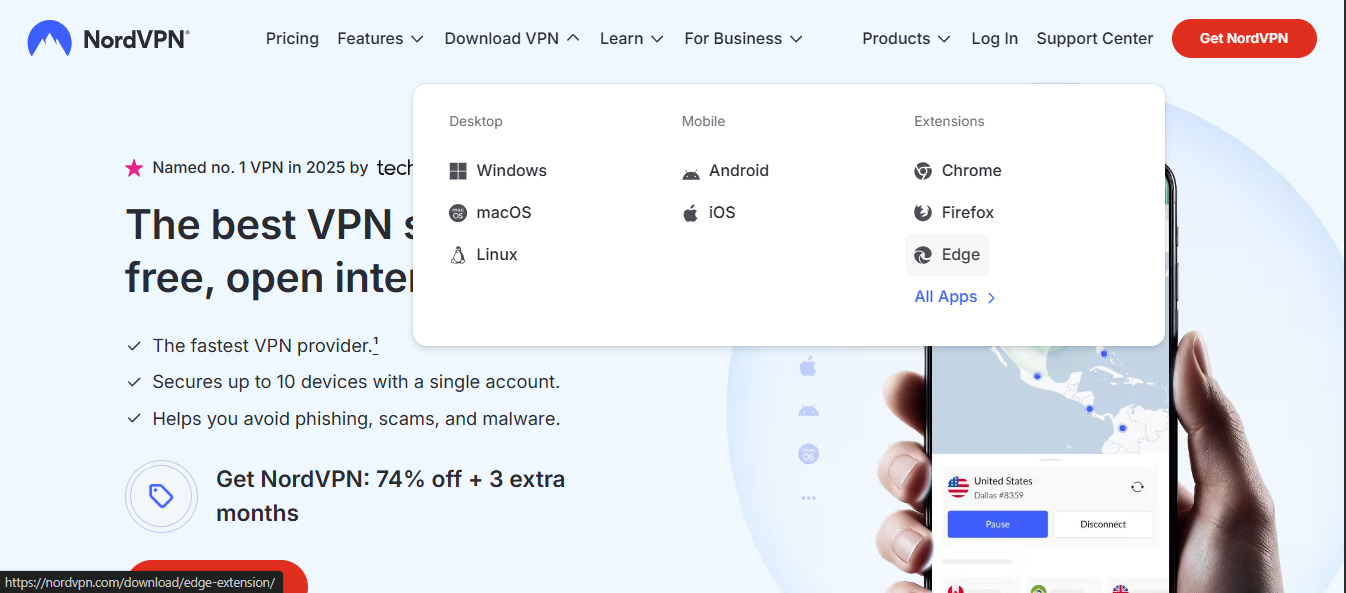
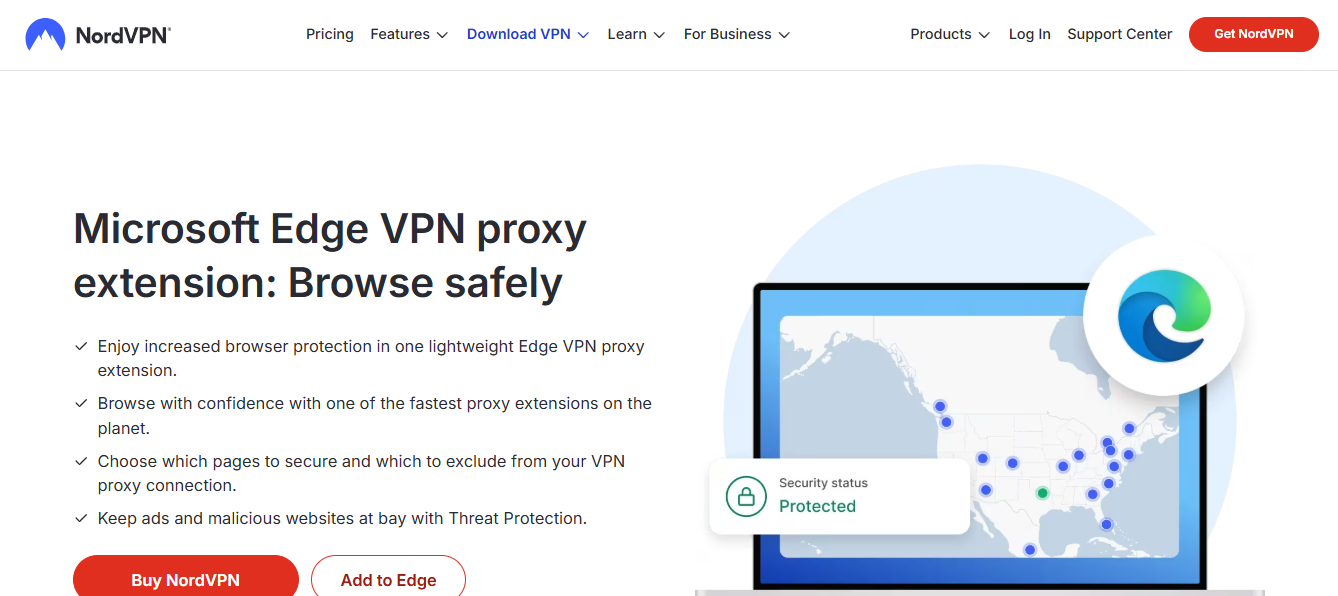
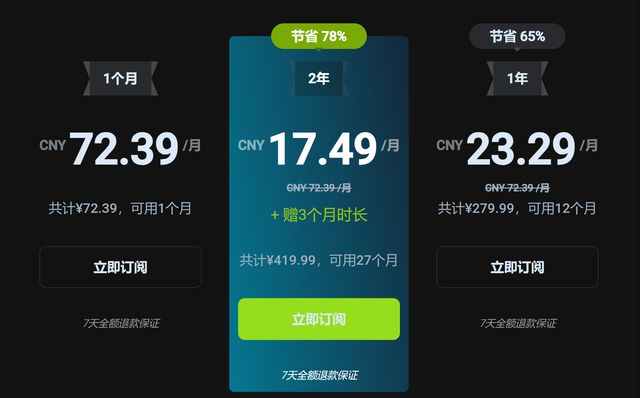
If you want extra privacy while you work on this, consider a trusted VPN service. For a quick recommendation, NordVPN often pairs well with many workflows; you can check it out here: NordVPN text varies here depending on topic but the URL remains the same.
What you’ll need before you start
- Your Cisco AnyConnect client installed, with the correct VPN profile
- An active network connection Wi-Fi or wired
- Knowledge of your VPN portal URL and your credentials
- Access to your device’s firewall and security software settings
- An error message or code from the VPN client if present
Section overview
- Quick fixes step-by-step
- Troubleshooting flow by symptoms
- Common errors and what they mean
- Deep dive: network and firewall considerations
- Device-specific tips Windows, macOS, mobile
- Advanced diagnostics and logs
- FAQ
Quick fixes you can try right now
- Check your internet connection
- Ensure you can reach websites or ping a reliable host.
- If your internet is flaky, restart your router or try another network.
- Verify the VPN server URL and profile
- Make sure you’re using the correct portal URL and that the profile matches your organization’s settings.
- Re-download or re-import the VPN profile if you suspect corruption.
- Update or reinstall Cisco AnyConnect
- Update to the latest client version compatible with your OS.
- If problems persist, uninstall, restart, and reinstall the client.
- Check date and time settings
- OS time drift can cause certificate validation failures. Sync time with trusted time servers.
- Temporarily disable security software
- Some antivirus/firewall suites block VPN tunnels. Disable briefly to test, then configure exceptions for AnyConnect.
- Flush DNS and reset network settings
- On Windows: run ipconfig /flushdns and reset network adapters.
- On macOS: renew DHCP lease and flush DNS cache.
- Try a different network profile
- Use a different network mobile hotspot or another Wi‑Fi to rule out local network blocks or captive portals.
- Confirm authentication method
- If you’re using MFA or a certificate, verify that tokens or certificates aren’t expired and that the correct method is selected.
- Check for VPN block by firewall or ISP
- Some networks block VPN protocols. If possible, test on another network or request an allowance from your admin.
- Review user permissions and access
- Ensure your account is active and assigned the appropriate VPN role. Check with IT if you can’t connect.
Troubleshooting flow by symptoms
Symptom: “Unable to reach VPN gateway” or “Unknown error”
- Step 1: Verify portal URL and profile integrity.
- Step 2: Check network access to the VPN gateway using ping or traceroute.
- Step 3: Review logs for TLS/SSL certificate errors; fix date/time if needed.
- Step 4: If behind a proxy, configure AnyConnect to use the proxy settings or bypass the proxy for VPN.
Symptom: “SSL/TLS handshake failed” or certificate errors
- Step 1: Confirm certificate chain is valid and not expired.
- Step 2: Ensure system clock is accurate.
- Step 3: If corporate CA certificates are required, install the root/intermediate certificates.
- Step 4: Try a different network to rule out corporate SSL inspection interference.
Symptom: “VPN tunnel could not be established”
- Step 1: Check tunnel adapter status in Network Connections Windows or Network preferences macOS.
- Step 2: Disable IPv6 if it causes conflicts, then reattempt connection.
- Step 3: Review split-tunneling settings; ensure the correct routes are pushed.
- Step 4: Verify that the VPN server supports the chosen protocol IKEv2/SSL and that the client is using the right profile.
Symptom: “Authentication failed” with MFA
- Step 1: Re-enter credentials; ensure username is correct and case-sensitive.
- Step 2: Confirm MFA device is accessible and not out of sync.
- Step 3: Check for recent policy changes that require updated authentication methods.
Symptom: Slow or unstable connection
- Step 1: Test speed and latency to the VPN gateway.
- Step 2: Check for competing bandwidth-heavy apps on your device.
- Step 3: Consider enabling or disabling split-tunnel depending on your security requirements.
- Step 4: Check for MTU issues; adjust MTU settings if you know you’re on a problematic network.
Deep dive: network and security considerations
- DNS resolution: VPNs depend on DNS, so local DNS failures can block access. Use a reliable DNS service and test by resolving VPN-related hostnames directly.
- Split tunneling: While convenient, it can expose you to untrusted networks. Decide based on security policies whether to enable or disable it.
- MTU and fragmentation: VPN encapsulation adds overhead. If you encounter intermittent disconnects, try lowering MTU in the client settings or on your router.
- TLS/SSL certificates: Certificate pinning or strict validation can cause failures if the certs change. Keep a note of your org’s certificate rotation schedule.
- Proxies and SSL inspection: Some corporate or public networks inspect TLS traffic, which can break VPN connections. If possible, work with IT to permit VPN traffic or disable inspection for your VPN traffic.
Operating system specific tips
Windows
- Run AnyConnect as administrator to avoid permission issues.
- Check Windows Firewall and any third-party firewall settings to ensure VPN traffic is allowed.
- Ensure the VPN tunnel adapter is present in Network Connections and shows as connected.
macOS
- Ensure AnyConnect has permission in System Preferences > Security & Privacy > Privacy for Network Extensions if needed.
- Reset the macOS network stack if tunneling shows issues.
Mobile devices iOS/Android
- Ensure you have the latest AnyConnect app version.
- Confirm device time is correct and that you have the latest OS updates.
- Check battery optimization settings that may terminate background VPN processes.
Advanced diagnostics and logs
- Collect log files from the AnyConnect client. Look for common codes like 51, 43, or 53 and cross-reference with Cisco documentation.
- Enable verbose logging if available to capture more detail about handshake failures and certificate errors.
- Check server-side logs if you have admin access, focusing on authentication attempts and tunnel establishment messages.
- Use network capture tools like Wireshark to inspect TLS handshakes and identify where the handshake fails.
Common errors and what they mean
- Error 51: Unable to communicate with the VPN subsystem. Likely a permissions or service issue; try restarting the VPN service and the machine.
- Error 43/44: The gateway is not reachable due to network or server problems; verify URL and network path.
- Certificate verification failed: Your machine doesn’t trust the VPN certificate; install the root/intermediate CA certificates.
- TLS handshake failure: Protocol mismatch or certificate problems; verify TLS versions and certificates.
- VPN tunnel establishment failed: Could be due to MTU issues, route configuration, or firewall blocks.
- MFA enrollment or token issues: Ensure tokens are synced and not expired.
Security considerations and best practices
- Use trusted networks whenever possible; avoid public Wi‑Fi for sensitive VPN work unless you’re behind additional protections.
- Keep client and OS updated to reduce vulnerability exposure.
- Use strong authentication and MFA as required by your organization.
- Periodically review and purge unused VPN profiles and devices.
Best practices for a smooth VPN experience
- Create a pre-connection checklist claimed above and share a one-page version with teammates.
- Maintain a local log of frequent error messages and corresponding fixes for quick reference.
- Schedule periodic VPN client updates to prevent version mismatch with server policies.
- Document your organization’s VPN deployment policies, including split tunneling and security settings.
FAQ
What is the most common cause of Cisco AnyConnect issues?
The most common cause is a mismatch between the VPN profile settings and the client, often paired with basic network connectivity problems or certificate issues.
How do I know if the problem is on my end or the server?
If multiple devices on the same network have issues, the problem is likely server-side or network-wide. If only one device has issues, it’s likely client-side configuration or device-specific problems.
Can I use a different VPN protocol to bypass issues?
Some environments support SSL AnyConnect and others support IKEv2. If your admin allows, trying an alternative protocol can help, but check policy first.
How do I fix certificate errors?
Ensure the correct root and intermediate certificates are installed, verify the system time, and confirm the VPN server’s certificate is valid and trusted by your device.
What if I’m behind a corporate firewall with SSL inspection?
Work with your IT team to allow VPN traffic and possibly disable SSL inspection for VPN traffic or use a bypass method. Forticlient vpn sous windows 11 24h2 le guide complet pour tout retablir et optimiser
Why is the VPN client slow?
Possible causes include high latency to the VPN gateway, limited bandwidth, MTU issues, or heavy CPU usage on your device. Check for background processes and test different networks.
Is split tunneling safe?
Split tunneling has security trade-offs. It allows traffic to bypass the VPN, which can save bandwidth but may expose your device to untrusted networks. Follow your organization’s policy.
How do I collect logs for troubleshooting?
In the AnyConnect client, enable verbose logging and export the logs. If you’re working with IT, share the log files or a summarized error report.
Can a VPN fail due to DNS issues?
Yes. If DNS resolution for VPN-related hostnames fails, you won’t reach the gateway. Use reliable DNS or configure VPN to use specified DNS servers.
How often should I update the VPN client?
Update whenever your organization supports a new client version. Keeping the client current reduces compatibility problems and security risks. Daddy Live Not Working with a VPN Here’s How to Fix It
Additional resources
- Cisco AnyConnect Support: cisco.com
- IT admin guides for VPN deployment and profile management
- General networking basics for troubleshooting VPNs
- Community forums and user groups for shared tips and patterns
End of content.
Sources:
Vpn 梯子网站:完整指南與穩定使用技巧,包含 VPN 梯子網站 比較、安全與速度要點
How to Navigate the Yulu VPN Refund Maze and Get Your Money Back from Real VPNs
Ipsec vpnとは?仕組みからメリット・デメリット、設定方法まで徹底解説 2026年版
Proton vpn 安装指南:2026 年最佳 vpn 教程 windows mac ⭐ android ios How to Set Up NordVPN Manually on Windows 11 and Other Easy VPN Customizations
The Absolute Best VPNs for Your iPhone iPad in 2026 2: Ultimate Guide for iOS Users in 2026
'%2F%3E%3Ctext%20x%3D'50%25'%20y%3D'50%25'%20dy%3D'.35em'%20text-anchor%3D'middle'%20font-family%3D'-apple-system%2CBlinkMacSystemFont%2CSegoe%20UI%2Csystem-ui%2Csans-serif'%20font-size%3D'100'%20font-weight%3D'600'%20fill%3D'%23fff'%3EAL%3C%2Ftext%3E%3C%2Fsvg%3E)
Anders Lindberg has been writing about consumer technology since 2018, with bylines covering router firmware, browser fingerprinting, and OpenVPN. Approaches each review by setting up the product the same way a typical reader would and recording every snag along the way.